
Essential Nutritious Staples for a Balanced Indian Thali

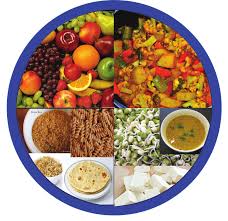
A traditional Indian thali is more than just a meal — it is a carefully designed combination of foods that provides carbohydrates, proteins, fats, vitamins, minerals, and fiber in one plate. Modern nutrition science supports what traditional Indian food culture has practiced for centuries: variety and balance in a single meal help support overall health, digestion, and long-term disease prevention.
Studies show that a diverse thali containing plant foods, grains, pulses, dairy, and small amounts of fats can support gut health and may reduce the risk of chronic diseases like diabetes and heart disease.
The Concept of a Balanced Indian Thali
Nutrition experts often suggest dividing a thali based on nutrient groups. A common guideline is:
- 50% vegetables and fruits
- 20% whole grains
- 20% protein sources (dal, pulses, etc.)
- 10% dairy like curd or raita
This structure helps ensure proper intake of fiber, protein, energy, and micronutrients.
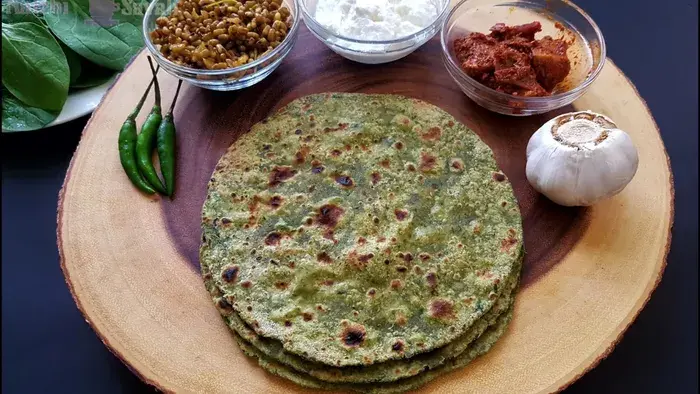
Essential Nutritious Staples in an Indian Thali
1. Whole Grains (Roti, Rice, Millets)
Whole grains are the energy foundation of an Indian meal. They provide complex carbohydrates that release energy slowly, helping maintain steady blood sugar levels.
Whole wheat roti and brown rice are rich in fiber, B-vitamins, iron, and minerals that support digestion and metabolism.
Millets such as bajra, ragi, and jowar add additional fiber and micronutrients, making them excellent alternatives to refined grains.
2. Pulses and Legumes (Dal, Rajma, Chole, Moong)
Pulses are the primary protein source in most Indian vegetarian diets. When eaten with grains, they provide complete amino acids needed for muscle repair and body function.
They also supply fiber, iron, and folate, supporting gut health and blood formation.
Balanced thalis combining dal, dairy, and grains can significantly improve protein intake compared to typical carb-heavy meals.
3. Seasonal Vegetables (Cooked Sabzi + Raw Salad)
Vegetables form the largest portion of a healthy thali because they provide:
- Vitamins (A, C, K)
- Minerals
- Antioxidants
- Fiber
A variety of colorful vegetables supports immunity, digestion, and reduces inflammation.
Nutrition guidance often suggests including at least 2–3 vegetable types in each thali for diversity of nutrients.
4. Dairy and Probiotic Foods (Curd, Buttermilk, Raita)
Curd is a key part of Indian meals because it contains probiotics that support gut bacteria and digestion.
It is also rich in calcium and phosphorus, which help maintain strong bones and teeth.
Fermented dairy in thalis also helps balance spicy foods and supports nutrient absorption.
5. Healthy Fats (Ghee, Cold-Pressed Oils, Nuts)
Small amounts of healthy fats help absorb fat-soluble vitamins like A, D, E, and K.
Traditional thalis often include a small drizzle of ghee or oil, which improves flavor and aids digestion when used in moderation.
6. Traditional Add-Ons (Pickles, Chutneys, and Natural Sweets)
Though eaten in small amounts, these add:
- Digestive spices
- Herbs and antioxidants
- Natural sugars (like jaggery or fruit)
These elements improve taste satisfaction and help complete the meal culturally and nutritionally.
Why a Balanced Thali is Nutritionally Powerful
A well-designed thali can provide:
- Balanced macronutrients (carbs, protein, fats)
- 20–30 g protein per meal in many combinations
- High fiber for digestion
- Key micronutrients like iron, calcium, vitamin C, folate, and zinc
This balanced combination supports energy, immunity, and long-term health.
Example of a Balanced Nutritious Thali
A simple healthy thali may include:
- 2 rotis or small portion rice
- 1 bowl dal or chole
- 1–2 vegetable dishes
- Salad
- 1 bowl curd
- Small amount ghee
- Small piece jaggery or fruit
Such meals typically fall around 500–700 calories while providing diverse nutrients.
Conclusion
A balanced Indian thali naturally includes all essential nutrients when built with variety and proper proportions. Instead of relying on modern “superfoods,” traditional Indian staples — grains, pulses, vegetables, dairy, and healthy fats — already create a complete and sustainable nutrition system.
The key is moderation, seasonal variety, and balanced portions.
Health is Wealth !