
Silver Price Trends and Future Predictions(2026-2030)

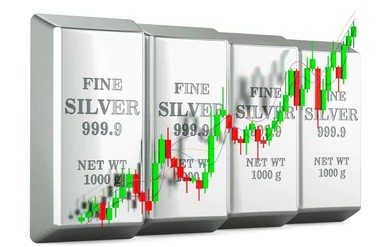
Silver Price Trend and Future Prediction (2026 and Beyond)
Silver is one of the most important precious metals in the world. It is used not only for jewellery and investment but also in industries like solar energy, electronics, electric vehicles, and artificial intelligence infrastructure. Because of this dual role, silver prices often move faster and show more volatility than many other metals.
In recent years, silver has gained strong attention from investors because of rapid price movements and growing industrial demand. In this article, we will understand the current silver price trend and the possible future prediction of silver prices.
Current Silver Price Trend
The silver market is currently experiencing high volatility. Prices have seen strong rallies followed by sharp corrections in a short period. This shows that silver is influenced by both investment demand and global economic conditions.
In recent years, silver prices increased rapidly due to strong industrial demand, geopolitical uncertainty, and increased investor interest. In some periods, silver gained more than 100% in a year, showing strong bullish momentum. However, such rapid increases are often followed by corrections, which is normal for highly traded commodities.
Market analysts expect silver prices in 2026 to generally move within a wide range because of changing global economic policies and industrial demand cycles. Some projections suggest silver may trade roughly between mid-range levels and higher spike levels depending on demand and monetary conditions.
Major Factors Affecting Silver Prices
1. Industrial Demand Growth
Silver is widely used in:
- Solar panels
- Electric vehicles
- Electronics
- Semiconductors
- AI infrastructure
Industrial demand is rising rapidly, especially because solar energy installation is growing worldwide. Future solar expansion alone could consume a large share of global silver production.
2. Supply Limitations
Silver supply is limited because most silver is produced as a by-product of mining other metals like copper and zinc. This makes it difficult to quickly increase supply when demand rises.
Because of this, the silver market has been facing structural supply deficits in recent years, which supports higher prices in the long term.
3. Investment and Safe-Haven Demand
Silver is also used as:
- Inflation hedge
- Alternative to gold
- Crisis protection asset
When global uncertainty increases, investors often buy silver, pushing prices higher.
Silver Price Future Prediction (2026–2030)
Short-Term Outlook (2026–2027)
Many forecasts suggest silver may continue to rise but with strong volatility. Some projections suggest strong upside potential if industrial demand remains strong and global economic policies remain supportive.
Some long-term market models even suggest silver could cross major psychological price levels if supply shortages continue and demand grows rapidly.
Medium-Term Outlook (2028–2030)
Future projections show strong demand growth due to:
- Renewable energy transition
- Electric vehicle expansion
- Growth in AI and data center infrastructure
By 2030, global silver demand may grow much faster than supply, creating possible long-term price pressure upward.
Some long-term industry outlooks suggest silver could test very high price ranges if structural deficits continue and industrial demand accelerates.
Long-Term Market Outlook (2030 and Beyond)
Long-term trends show silver may shift from being only a precious metal to becoming a strategic industrial metal because of its importance in clean energy and high-technology industries.
If this trend continues:
- Demand may grow faster than supply
- Recycling industry may expand
- Silver may become more expensive over time
Risks That Could Affect Silver Prices
Silver prices may fall if:
- Global recession reduces industrial demand
- Interest rates rise strongly
- Dollar becomes very strong
- New technology reduces silver usage
Final Conclusion
Silver remains one of the most promising metals for the future because of its strong industrial demand and limited supply. Short-term price movements may remain volatile, but long-term demand from clean energy, electronics, and new technologies may support higher prices over time.
For investors and buyers, silver can be considered a long-term opportunity, but short-term price fluctuations should always be expected.